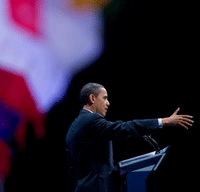
In its spring issue, the venerable Washington Quarterly asked what has become a perennial question, and the central theme of “Under the Influence”: Is the United States entering an age of decline or renewal? But while everyone agrees on the question, it seems that no one can make up their minds on the answer. At first glance, recent events seem to point to the former, or decline. The financial crisis has not only hobbled the U.S. economy, but has discredited the free-market messages it has long propagated abroad. Years of war without decisive victory in Iraq and Afghanistan has added [...]
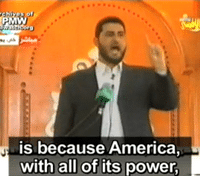
On June 7, voters in tiny Lebanon will go to the polls. On the surface, the result of the parliamentary elections might seem to make almost no difference at all. But in the peculiar Middle East laboratory that is Lebanon, the outcome of the vote will represent a barometric reading for the entire region. In the end, it may ultimately have serious repercussions that reach beyond the byzantine mechanics of Lebanese politics. Some might consider the elections inconsequential, because the two main factions of Lebanese politics have essentially agreed to grant each other veto power over major decisions. The outcome [...]
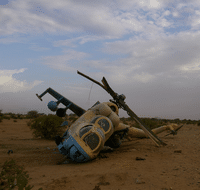
During the Cold War, U.S. military forces operated in big, firepower-heavy formations, designed to fight equally big and powerful Soviet formations — or what the Pentagon calls “peer” opponents. Times have changed, but the military hadn’t — until now. In recent months, reformers have successfully fought for sweeping changes to military force structure. The changes are meant to boost the Pentagon’s ability to fight in low-intensity, “persistent” conflicts, as opposed to the short, high-intensity major conflicts expected in the recent past. In addition to the structural changes, persistent conflicts demand new ways of thinking about — and training for — [...]