
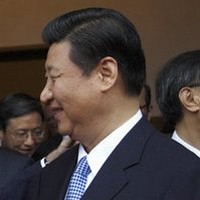
BEIJING -- After much fanfare and stagecraft, China's leadership transition, the most prolonged and pored-over in more than 30 years, ultimately ended with a distinct sense of anticlimax. The seven men who will rule China are, as reported by the South China Morning Post two weeks before the event, largely older, conservative cadres. Their identical suits and coiffures, as well as their stiff demeanor amid the stifling Stalinist décor, underscored the apparent dislocation between them and the society they have been anointed to lead. This is a group unlikely to implement the kind of accelerated reforms to China's politics, economy and society that many had hoped for. Perhaps the only bright spot is that five of them will retire in 2017.
Throughout the year that preceded the formal announcement, speculation as to the final composition of the Politburo Standing Committee had been rife. Following the downfall of disgraced Chongqing boss Bo Xilai, there were signals to suggest reformists were gaining the ascendency in Beijing. Outgoing President Hu Jintao issued several public slap-downs to the military, and financial market reform accelerated. Meanwhile, whispers circulated about the emergence of a younger, more progressive senior leadership. Locals and foreigners, already weary from the seemingly endless period of transition in Chinese politics, sensed that perhaps change was finally in the air.
Recent months, however, have seen these hopes diminish. Throughout the summer, rumors abounded that major disagreements remained among senior officials. Even after the late-Summer Beidahe conclave to hash out the succession, few clear signals emerged about the new leadership. Vice President and heir-apparent Xi Jinping disappeared for two weeks in September, while signals of judicial and constitutional reform faded.