It is not polite, as Estonian Prime Minister Kaja Kallas put it in June, to say, “I told you so.” But the West had a “Russia problem” long before it had a “Putin problem.” The Baltic states warned Europe and the rest of the world about this. The world didn’t listen. And Ukrainians have paid a horrible price as a result.
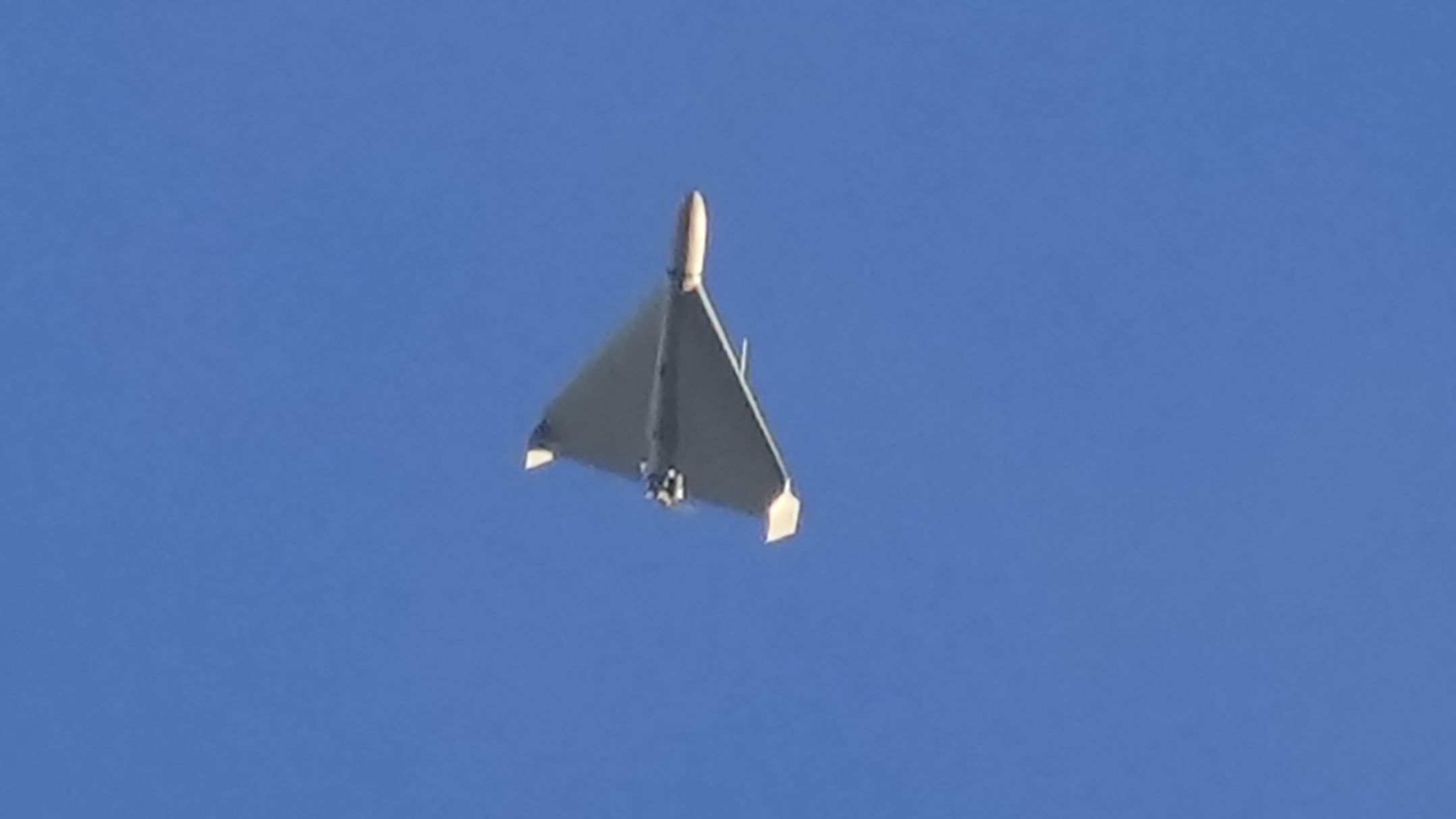
The news that Russia has begun to employ Iranian military equipment, particularly kamikaze attack drones, in its war against Ukraine has led some observers to frame that conflict as a proving ground for Iran’s military technology. But the implications for military dynamics in the Middle East are far from clear.
Until recently, many observers expected the war in Ukraine would end with a deal, once the equilibrium point between Russia’s military setbacks in Ukraine and Europe’s growing economic crisis was found. The events of the past month have called into question whether such an equilibrium can and will be reached.