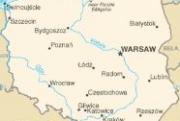
Following months of bickering, Poland's
populist-conservative coalition government finally collapsed in
September after two years in power. Early elections are scheduled for
this Sunday, Oct. 21. Some suggest that they may turn into a referendum
on de-Communization. If that is the case, the anti-Communist Law and Justice will win, though the centrist Civic Platform currently enjoys a narrow lead in the polls. To grasp the players and issues at stake, a
whistle stop tour of Poland's political history is in
order. more
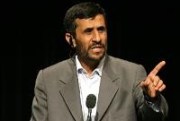
When Iran's president described the
Holocaust as a "myth" and hosted a Holocaust revisionist conference in
Tehran last year, he was warmly cheered in the Third World and
severely castigated in the United States and Europe. Yet most Western
pundits failed to grasp the significance of the assault. Ahmadinejad selected the Holocaust not so much because of its
special significance to the Jewish people, but because it appears to be
the only unassailable truth in Western intellectual discourse. His is a
dangerous assault on the West itself. more
In April 2006, the German government appeared finally to have
consented to grant scholars full access to the documentary depositories
of the International Tracing Service (ITS), a vast archive of files on
the crimes of Nazism, including, of course, the Holocaust. Unfortunately, a year later,
there is still no access. Battles like this, which scholars and researchers fight for archival access,
usually go unreported in the media. There are naturally legitimate
concerns of national security, but there is also plenty
of bureaucratic red tape. more
History buffs recall that Gen. Wojciech Jaruzelski enjoyed a stellar career in
Soviet-occupied Poland. He was once the youngest Communist general in
Poland. However, since the "collapse" of Communism, the general has
staged a shocking comeback. Following the so-called Round Table
agreement, where the Communists and Solidarity's leftists made a
backdoor deal to share power, Jaruzelski incredibly emerged as post-Communist
Poland's first President. Equally incredibly, he is now more popular
than ever. But Jaruzelski has a dirty little secret. He was a Soviet military intelligence agent beginning in 1946. more
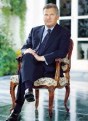
When Poland's president and prime minister visited Washington, D.C., in September, they both voiced their support for former Polish chief of state, the post-Communist Aleksander Kwasniewski, who aspired to be the new secretary general of the United Nations. The White House responded with an embarrassing silence. Perhaps the American President knew more than he wanted to let on. Perhaps George W. Bush wanted to avoid a serious embarrassment. After all, there have long been rumors about Kwasniewski's unsavory past.
more
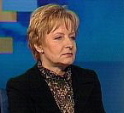
On June 23, 2006, Polish Prime Minister Kazimierz Marcinkiewicz fired his
deputy Zyta Gilowska after she had been
formally charged with perjury. Gilowska allegedly had lied about being
an agent of the Communist secret police before 1989. Gilowska vehemently denied all charges. The ensuing vetting trial of the politician and the accompanying public
debate exposed the impact of the nation's totalitarian past
on its democratic present. more