Carol E.B. Choksy
Carol E. B. Choksy is adjunct lecturer in strategic intelligence and information management at Indiana University. She also is CEO of IRAD Strategic Consulting, Inc.
When results began to emerge from Iran’s March 2 parliamentary elections, the ayatollahs were quick to herald a victory for the principles of “velayat-e faqih,” or “governance by the Islamic jurist.” However, the results are more complicated and less favorable for the ayatollahs than they claim, as are its likely impacts on Iran’s internal and international affairs.
more
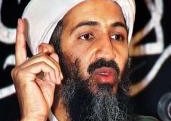
Not surprisingly, people in the Taliban-controlled areas along the Pakistan-Afghanistan border have turned out to mourn Osama bin Laden's death. Islamist militant groups like Hamas in Gaza have condemned the circumstances of his demise, and some Arabs wish he had been brought to public trial. But by and large, bin Laden's elimination has been met with relief and the hope that terrorism's ties to Islam will abate.
more
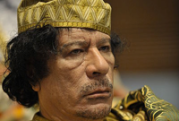
Military strikes against Moammar Gadhafi's ground forces over the weekend may have come too late for Libya's freedom-seeking people. A ceasefire or internationally imposed standoff between Gadhafi's forces and the anti-government fighters would merely maintain the status quo. If so, Gadhafi will have demonstrated to autocrats that terror is an effective means of maintaining power at home and instilling fear abroad. more
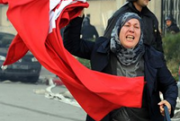
History demonstrates that revolutions often result in new or renewed forms of despotism. One reason for caution regarding the future of the Arab Uprising is that few Middle Eastern countries have political pasts not dominated by monarchy, theocracy or the military. Should Muslim majorities prevail in their quests for secular self-governance, they would be firmly eschewing the replacement of one form of totalitarianism for another. more
After nine years of war in Afghanistan and seven more in Iraq, Americans are understandably weary of military interventions designed to remake or rebuild failed or fragile states. Nevertheless, many countries are still falling apart, or worse, falling into the wrong hands. As a result, such nation-building interventions will remain necessary for the foreseeable future. more
Beginning last October, Tehran's residents have been barraged by prognostications of an earthquake reducing their metropolis to rubble. Iranian newspapers run stories almost daily detailing possible outcomes. More recently, Tehran's acting prayer leader became the object of worldwide ridicule when he blamed earthquakes on women's wardrobe habits. But what's really at the root of Tehran's earthquake scare? more
A series of recent moves indicates that Iran's fundamentalist Shiitehierarchy is increasingly wary of extremist Sunni beliefs and themilitant practitioners bringing them into the Islamic Republic fromAfghanistan, Pakistan, and even Iraq. Having been a state sponsor of terrorism for many years, the regime in Tehran has now begun experiencing a measure of the fear they have previously inflicted on others. more