Risto Karajkov

Risto Karajkov is a freelance writer and analyst based in Skopje, Macedonia. He holds a PhD in development from the University of Bologna, and a number of fellowships including from the Centre for Civil Society at Johns Hopkins University. Risto writes frequently about Balkan affairs for a number of media outlets. His work has appeared in Osservatorio Balcani, Currier des Balkans, Transitions Online, European Voice, International Herald Tribune, New York Times, Worldpress, BusinessNewEurope, il Riformista.

Email

Articles written by Risto Karajkov

Kosovo's North is Europe's Latest Frozen Conflict

By Risto Karajkov
, on , Briefing

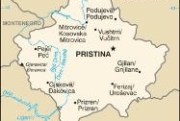
The latest crisis in Kosovo, which erupted in late-July, seems to be abating after a NATO-brokered deal between Belgrade and Pristina. The agreement's immediate impact will be to empty Kosovo's shops of Serbian goods, with businesses from neighboring countries likely to benefit from the market opportunity. In the longer term, however, the incident focused attention on the region's most-recent frozen conflict: Kosovo's north. more

France's Expulsions Put Roma on Europe's Agenda

By Risto Karajkov
, on , World Politics Review

Last week, the controversy over France's expulsions of illegal Roma immigrants reached a peak, with the issue dominating last Thursday's EU Summit. That the issue has now reached the European level is fitting. Though France has attracted criticism for the tone of its current campaign, other countries in the EU have taken a similar approach to the Roma with less political fanfare. more

From Dayton to Butmir: The Future of Bosnia

By Risto Karajkov
, on , World Politics Review

Last month, two rounds of high-level meetings on the future of Bosnia took place at a military base on the outskirts of Sarajevo, in an effort to revise the country's constitutional foundations. The talks have already been called "Dayton 2," in reference to the accords that ended Bosnia's civil war in 1995. For now, though, they are unlikely to repeat the success of the original. more

Balkans Thaw Opens the Doors to EU for Croatia

By Risto Karajkov
, on , World Politics Review

The doors to the European Union have reopened for Croatia after its new Prime Minister Jadranka Kosor reached a historic deal with her Slovenian counterpart, Borut Pahor, over the two countries' border dispute, in Ljubljana on Sept. 11. But the Slovenian veto, though now lifted, heightened awareness that the future of the EU accession process in the Balkans is full of other potential vetoes. more

Economic Crisis in the Balkans: The Ticking Bomb

By Risto Karajkov
, on , World Politics Review

SKOPJE, Macedonia -- On July 1, Croatian Prime Minister Ivo Sanader announced his resignation, blaming it "at least in part" on the politics of the European Union. But while Croatia's accession crisis played a role, the global downturn has put the government on the verge of bankruptcy and threatened serious social unrest. Croatia is not the only Balkan country in such dire straits. more

Brake on EU Enlargement Dims Hope for the Balkans

By Risto Karajkov
, on , World Politics Review

SKOPJE, Macedonia -- For the troubled Balkans, the EU enlargement policy has helped maintain stability, keeping the countries of the region on course for democratic reform. If these countries have made efforts to keep nationalists at bay, it has been in large part due to the endlessly repeated promise that one day, they, too, would join the club. Enter the global economic crisis. more

Obama and the Balkans: What Kind of Multilateralism?

By Risto Karajkov
, on , World Politics Review

SKOPJE, Macedonia -- A string of experts has recently been reminding the U.S. of its unfinished business in the Balkans, with an emphasis on a multilateral approach. But if it's true that the Obama administration should renew America's commitment to multilateralism, so, too, should Europe. The risk of regression in the region has to do in part with the EU membership process simply taking too long. more

Kosovo's Regional Recognition Almost Complete

By Risto Karajkov
, on , World Politics Review

SKOPJE, Macedonia -- Kosovo's regional recognition can be considered almost completed with Macedonia's and Montenegro's acceptance of its statehood early last month. In what was obviously coordinated action, the governments in Skopje and Podgorica recognized Kosovo on Oct. 9. The move can be argued to enhance regional stability, since it leaves Kosovo increasingly surrounded by countries that recognize its sovereignty. But with the two countries' economies closely interdependent with Serbia's, it was not free of risk. more