
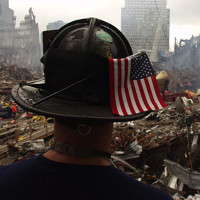
Editor's note: This is the first in a two-part series on the impact of Sept. 11 on U.S. foreign policy. Part I examines the militarization of U.S. foreign policy following Sept. 11. Part II will examine ways to reverse this trend.
On Sept. 11, 2001, nearly 3,000 Americans were killed in the single deadliest terrorist attack in American history -- the work, not of a foreign army, but of al-Qaida, a nonstate actor. The U.S. wasted little time in responding. The Taliban government in Afghanistan that had provided safe haven for the terrorist group was quickly deposed by a combination of U.S. special forces and CIA operatives working alongside Afghan anti-government forces. The leadership and core followers of al-Qaida were pushed fleeing in disarray across the Pakistani border. Since 2001, the group has been unable to successfully launch another attack against the continental United States.
This could have been the end of the story: a horrific attack and a lightning U.S. response, followed by a comprehensive national effort to protect the homeland from future terrorist assault. Instead, the so-called War on Terror went on to dominate not just America's collective imagination but also its foreign policy objectives, while transforming the role of its armed forces.