
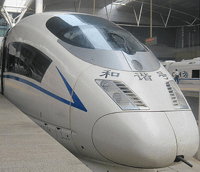
BEIJING -- China's social contract revolves around the Communist Party delivering the benefits of modernization to the country's citizenry, and not, as Western observers might hope, around the transition to multi-party democracy. Consequently, technocratic failure presents the greatest risk to the party's domestic credibility, something emphatically highlighted by the ongoing wave of public anger over the Wenzhou high-speed rail crash. Moreover, unlike recent high-profile political cases, the Wenzhou crash might very well turn out to be the moment China's emerging public sphere came of age.
Beyond loss of life, perhaps the most profound source of public anger regarding the crash is a sense that it was inevitable. High-speed rail was one of the government's flagship infrastructure projects and the subject of huge amounts of propaganda. But the project has been beset by allegations of corruption and corners being cut. Even before the crash, doubts had emerged about regarding high-speed rail's funding and feasibility, as well as rising project indebtedness. In the wake of the crash, the credulous feel let down, and the cynics feel vindicated.
The crash has also crystallized doubts about the state-led economic model on a broader level. The Ministry of Railways is far from the only public body to have experienced problems of corruption and inefficient investment. There is a growing sense of concern about systemic dysfunction, reflected both in the blanket sell-off on Chinese stock markets, as well as the vast outpouring of public anger on social media and in other forums.