
In 2006, after Israeli forces performed poorly in combat against Hezbollah’s hybrid asymmetric-conventional tactics, some observers wondered whether Israel had lost its deterrent power against its enemy in southern Lebanon. Hezbollah leader Hassan Nasrallah’s subsequent tacit apology to the Lebanese people for the destructiveness of the month-long conflict should have offered a clue that such a conclusion was erroneous. "Had we known that the kidnapping of the soldiers would have led to this, we would definitely not have done it," he said in a television interview following the fighting.
The initial proof of Israel’s renewed deterrent came two years later, when Israeli ground forces entered Gaza to combat Hamas in December 2008. Despite heavy civilian casualties and international outcries criticizing Israel for a disproportionate response to rocket fire from Gaza-based militants, Hezbollah not only refrained from launching any attacks of its own in support of its Palestinian allies, but took pains to make it clear that it was not responsible for the few rockets that were fired from southern Lebanon during the Gaza conflict.
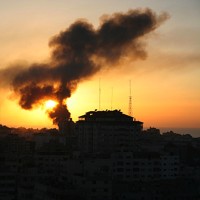
The most recent exchange of rocket fire and air strikes between Israel and Hamas that ended in last week’s tenuous cease-fire confirms what the 2006 and 2008 conflicts suggested: By demonstrating a willingness to escalate hostilities regardless of international criticism and pressure, Israel forced Hamas to blink first, thereby re-establishing its deterrent with regard to both of its neighboring enemies. The successful introduction of the Iron Dome missile defense system has only added to the effect by reducing the impact of the expanded range of Hamas’ arsenal, which can now reach Tel Aviv and Jerusalem. Having achieved little more than confirming its inability to seriously hurt Israel, Hamas ultimately backed away from the brink of a ground war that neither side wanted, but only one was prepared to pursue.