
This week, a general strike has paralyzed much of Nigeria’s economy while anti-government protests have occurred in many of the country’s major cities. The protests were triggered by the federal government’s decision to remove a subsidy on fuel on Jan. 1. The ensuing rise in the cost of a liter of fuel, from approximately $0.45 to $0.94, dealt a powerful blow to most Nigerians, many of whom live on less than $2 a day. Some protesters, fearing for their economic survival, feel they have no choice but to take to the streets.
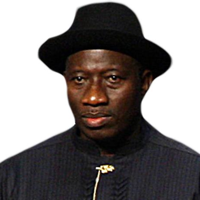
But the protests also encompass concerns that extend beyond just the fuel-subsidy removal, namely a widespread lack of faith in the ability of the federal government and the administration of President Goodluck Jonathan to meet Nigeria’s economic and security challenges. Jonathan has promised that the money saved by removing the fuel subsidy will pay for new infrastructure and benefit all Nigerians. The protesters, cynical regarding government corruption, do not believe him; instead they suspect that the money will line the pockets of politicians and their business associates.
Controversy over the fuel subsidy and protests over its attempted removal are nothing new. Nigerian leaders have periodically moved to cut it for more than two decades. In 2003 and 2004, President Olusegun Obasanjo’s efforts to slash the subsidy provoked strikes in Lagos and elsewhere, forcing the government to water down the proposed reform.