
One of the most striking aspects of Turkey's transformation in recent years came in its innovative approach to foreign relations. Ankara’s policy of "zero problems" with its neighbors not only had a catchy name and a low cost of implementation, it also seemed to work -- but only for a brief time. Despite its initial promise, the idea of getting along with everyone in a complicated part of the world proved unworkable. Now, with that formula discredited and discarded, Ankara is busy looking for a new policy framework -- a new overarching strategy to maximize influence in a time of rapid change.
"Zero problems" started taking a prominent place in Turkish foreign policy soon after the 2002 landslide election victory by the moderate Islamic Justice and Development party (AKP). That's when the government named a relatively obscure academic, Ahmet Davutoglu, as chief foreign policy adviser. It was Davutoglu who developed and promoted the idea that the country could project power through peaceful relations. The concept of acting as a bridge was not new. After all, Turkey stands at the very intersection of East and West, while straddling a variety of identities: a Muslim country that is not Arab, a secular democracy in a region of authoritarian Islamic regimes, a member of NATO though arguably not in Europe.
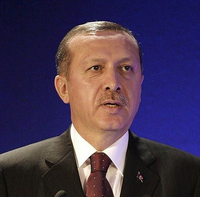
In 2009, Prime Minister Recep Tayip Erdogan named Davutoglu minister of foreign affairs, making him officially responsible for putting the "zero problems" idea into practice.