
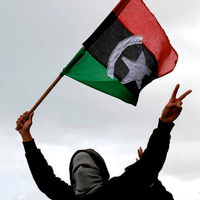
In the aftermath of the Libya operation, my Naval War College colleague Tom Nichols concluded bluntly, "Humanitarian interventions are here to stay and are going to be driven more by moral calculation and military opportunity than by 'national interest.'" This, it seems, is the new American foreign policy consensus; despite the costly U.S. wars in Iraq and Afghanistan, the anti-interventionist coalition has lost the policy debate.
The current fiscal crisis may trim back the scale and scope of future interventions, but will not eliminate them altogether from the U.S. policy toolbox. Even with its fiscal constraints, the United States will continue to retain an absolute preponderance of the world's economic and military power for the foreseeable future. And if Libya provides a model for "intervention on the cheap," we are likely to see this template emulated in other situations. Candidates on the campaign trail will continue to make promises about a humbler, less interventionist foreign policy. But the reality, as Dan Drezner recently pointed out, is that candidates' "pronouncements about future foreign policy don't seem to matter" once a president actually takes office.
If that is the case, then whether President Barack Obama stays in the White House come January 2013 or is replaced by a Republican challenger, the debate as to whether a great power like the United States can intervene in the affairs of other countries absent a compelling case for self-defense is, as Nichols says, "pretty much over." That means we can move on to the next question: When and where will the next interventions take place?